
Planning On-Site Fuel for Remote Operations
Fuel planning that works fine for an urban yard can fall apart at a remote site. When the nearest terminal is hours away over a forestry or resource road, running out is not an inconvenience — it can idle an entire crew. Here is how to plan on-site fuel for operations far from resupply.
Build in more autonomy than you think you need
Remote sites should carry a larger buffer than their daily burn rate alone suggests. Weather, road washouts, seasonal closures, and delivery scheduling all introduce delay. Sizing for several days — or more — of autonomy protects against the times a delivery simply cannot get through on the day you planned.
Plan the delivery, not just the tank
Confirm that the delivery vehicle can physically reach and maneuver at the tank location in the conditions you actually operate in, including mud, snow, and grade. A tank you cannot reliably refill is not much use. Coordinating delivery windows around road and weather conditions is part of the plan, not an afterthought.
Containment matters more when help is far away
At a remote site, spill response resources are further away and the environment is often sensitive. Double-wall secondary containment is especially valuable here, capturing a leak rather than releasing it to ground while you organize a response.
Containerized stations suit remote work
A self-contained, containerized fuel station is straightforward to transport, deploy, and — if the project ends — relocate. That deployability is a large part of why containerized systems are common on remote mines, logging operations, and off-grid job sites. Sizes from 10,000 L to 60,000 L cover everything from a mobile crew to a large operation running long hours between resupply.
If you are planning fuel for a remote operation and want help matching capacity, dispensing, and delivery to the site, request a quote and we can work through it with you.
Related articles.
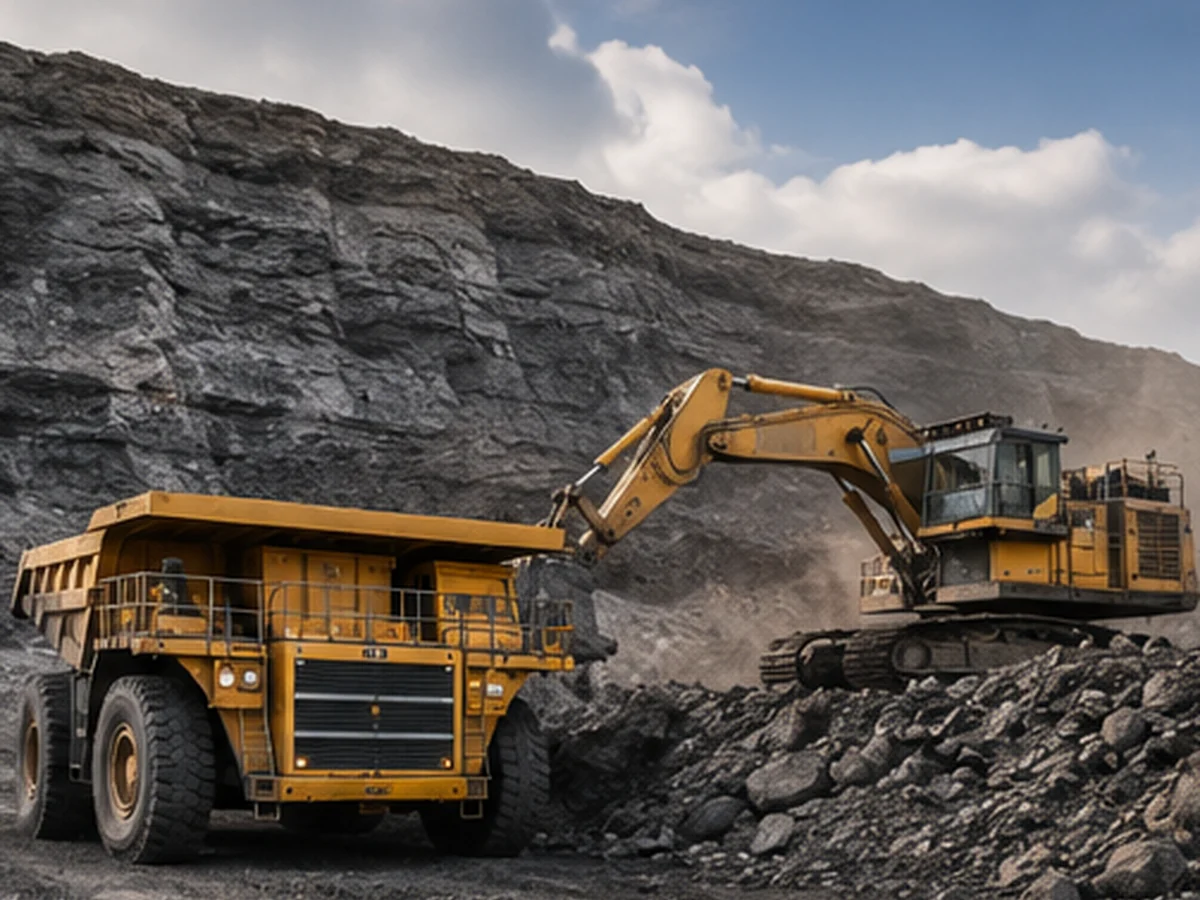
How to Size a Containerized Fuel Station for Your Operation
A practical framework for choosing between a 10,000 L, 25,000 L, 40,000 L, or 60,000 L containerized fuel station based on burn rate, resupply, and site conditions.
Read Article ›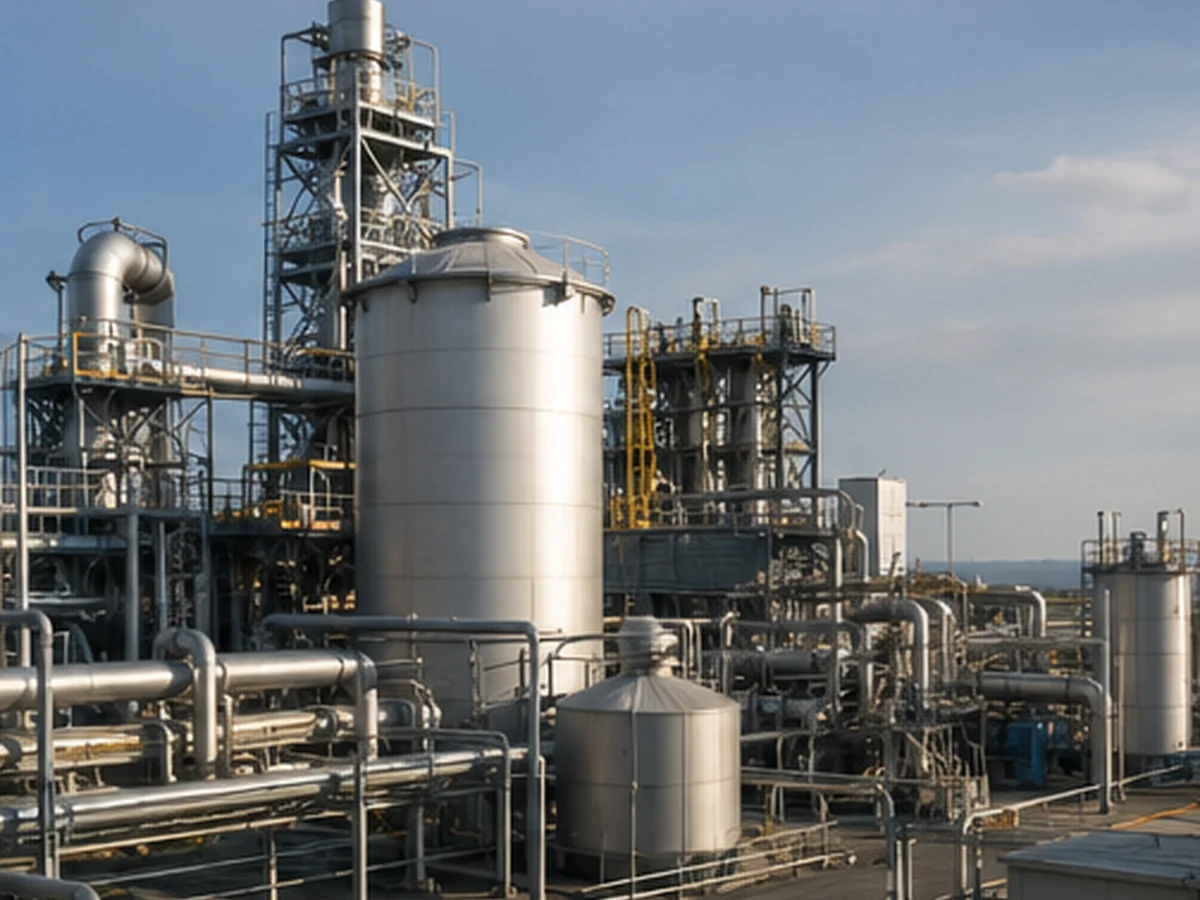
UL 142 and CAN/ULC-S601: What Those Compliance References Mean
A plain-language explanation of the two standards you will see referenced on above-ground fuel storage, and why they matter for your site.
Read Article ›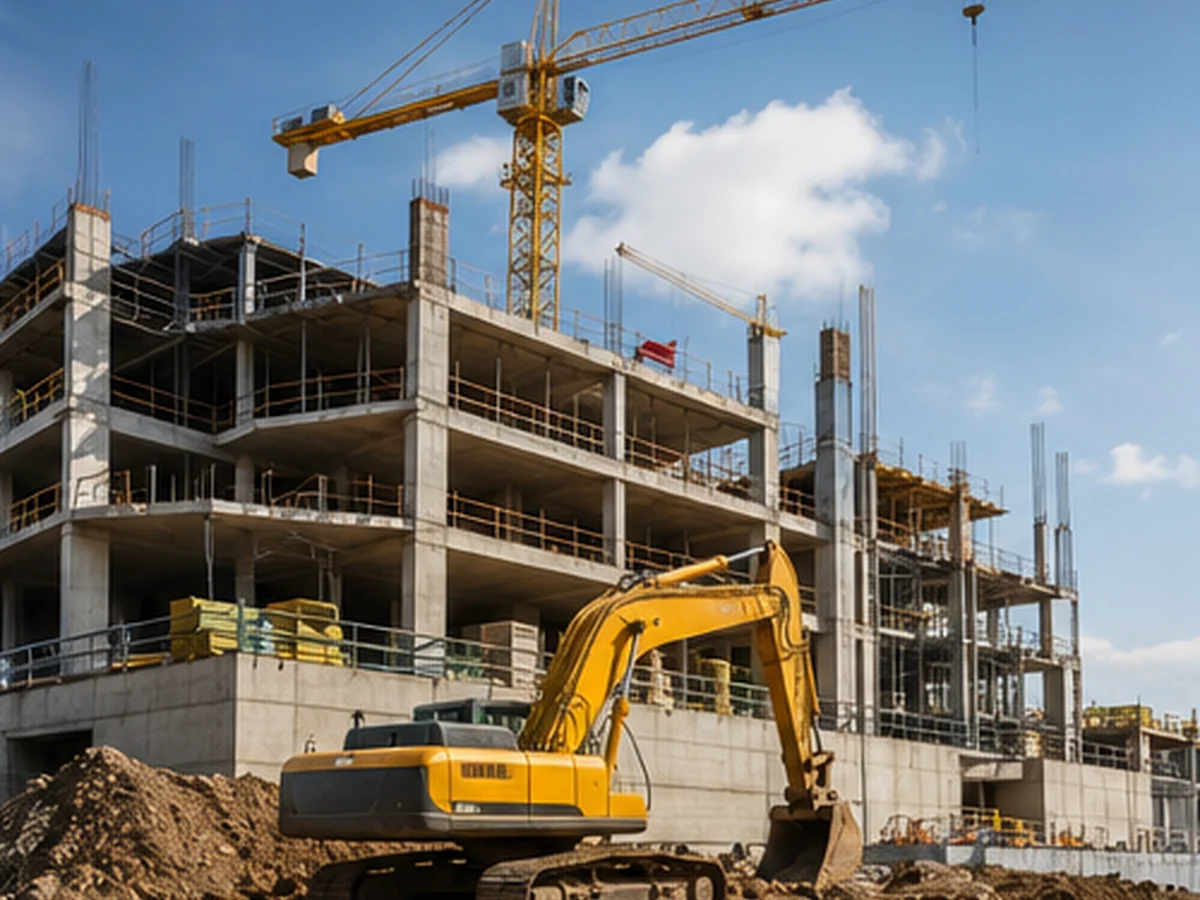
Buying vs. Leasing a Fuel Station: Which Makes Sense for Your Project
The trade-offs between purchasing and leasing a containerized fuel station, and how project length, cash flow, and site permanence should guide the decision.
Read Article ›